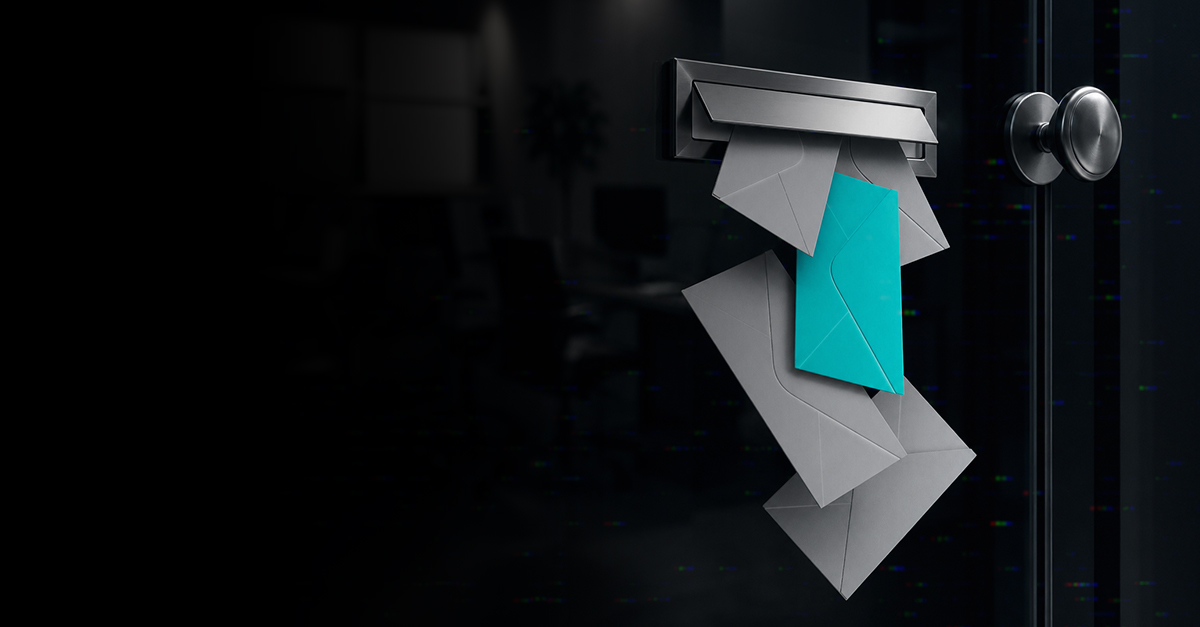
Imagine starting your day with a cup of coffee when an email from a trusted partner lands in your inbox. It looks legitimate. The branding is familiar and the message sounds professional. But hidden inside is a phishing trap.
AI is helping cybercriminals create polished, personalized messages that are harder than ever to spot. It’s critical that decision-makers understand these evolving threats and take steps to protect their employees, data and finances.
Phishing has gotten better.
With AI helping criminals create cleaner, more personalized messages, businesses across South Florida, including Broward, Miami-Dade, and Palm Beach, need to rethink what a phishing attempt actually looks and sounds like.
It’s easy to assume that phishing scams are simple to spot because they contain poor grammar, suspicious links or obvious requests for sensitive information.
That’s no longer the case.
Even diligent, well-trained employees can be tricked by messages that sound and look real.
Common types of phishing scams
Phishing can happen through email, text messages, phone calls, QR codes and workplace communication platforms. Knowing the most common tactics can help your team spot trouble early.
Email phishing: Attackers send emails that appear to come from a trusted company, vendor or financial institution. These messages may contain malicious links or attachments designed to steal information, install malware or gain access to business accounts.
AI-powered phishing: Cybercriminals can create convincing messages based on information found online. They may copy someone’s writing style, mention a real business relationship or use details about an employee’s role to make a request appear legitimate.
Spear phishing: This scam targets a specific person or business. Attackers research their victim and use relevant details to create a highly personalized message that is more likely to gain the recipient’s trust.
Business email compromise: In a business email compromise (BEC) scam, an attacker impersonates an executive, employee or vendor to request a payment, change banking details, redirect payroll or obtain sensitive information.
Smishing: This type of phishing attack uses text messages to persuade recipients to click a malicious link, call a fraudulent number or share account information.
Vishing and voice cloning: Vishing involves fraudulent phone or voice messages from someone claiming to represent a trusted organization or person. With AI voice-cloning tools, attackers may also imitate the voice of an executive, colleague or family member to make an urgent request more believable.
QR-code phishing: Also known as quishing, this tactic uses a malicious QR code to direct someone to a fake website. The code may appear in an email, document, invoice, poster or package and can be difficult for traditional email filters to inspect.
How to protect your business from phishing
For businesses in the 10 to 100 employee range, where employees often know leadership personally and may be accustomed to handling requests quickly, it is important to safeguard your business from phishing scams, follow these practical steps:
- Train employees to recognize AI-generated emails, voice cloning and other emerging phishing tactics.
- Use advanced email security tools to detect malicious links, attachments and impersonation attempts.
- Enable multi-factor authentication and use passkeys or security keys where possible.
- Verify urgent requests involving payments, passwords or sensitive data through a separate channel.
- Limit publicly available employee and business information that attackers could use to personalize scams.
- Keep software, systems and security tools up to date.
- Make it easy for employees to report suspicious messages quickly.
Make your South Florida business harder to hook
Phishing is not just an IT problem.
One convincing message can lead to a compromised account, stolen money, exposed customer information, operational disruption, or a much larger cybersecurity incident.
As an IT support and cybersecurity provider serving South Florida, we help businesses across Broward, Miami-Dade, and Palm Beach strengthen the layers that make phishing attacks harder to pull off.
That includes employee security awareness, email protection, multifactor authentication, account security, monitoring, and practical procedures for verifying sensitive requests.
Because your employees should not have to win a guessing game every time a convincing email lands in their inbox.
If you are not sure how well your current phishing defenses would hold up against today’s scams, let’s take a look.
Call us at 954-237-7797 or schedule a quick discovery call here:
And if you know another South Florida business owner who still thinks phishing emails are easy to spot because they are full of spelling mistakes, send this article their way.
The dangerous ones are not always emails that look ridiculous.
They are the ones that look completely normal.